Oil & Gas / Industrial
Hazardous-Zone Access Control for Refineries, Plants, and Industrial Sites.
An industrial access control system for a refinery, plant, or industrial site, hazardous-zone control, contractor management, and reverse evacuation engineered in, so when the alarm sounds you know exactly who's inside and where.
The challenge
Why Plant Access Control Is Different from Securing an Office
Refineries and industrial sites combine process units, storage, warehouses, and medical facilities across a wide footprint, each with its own risk and its own access rules.

Proof, Not Trust
Process units, storage, and other dangerous areas must let in only trained, authorised people, and keep a record proving that's who went in.

Every Contractor, Tracked
Third-party crews arrive daily. Each one needs a safety induction, the right access for their job, and a record of exactly where they went.
Round-the-Clock, No Churn
Regular and temporary staff rotate through complex shift patterns, and access has to keep up automatically.
Headcount in Seconds
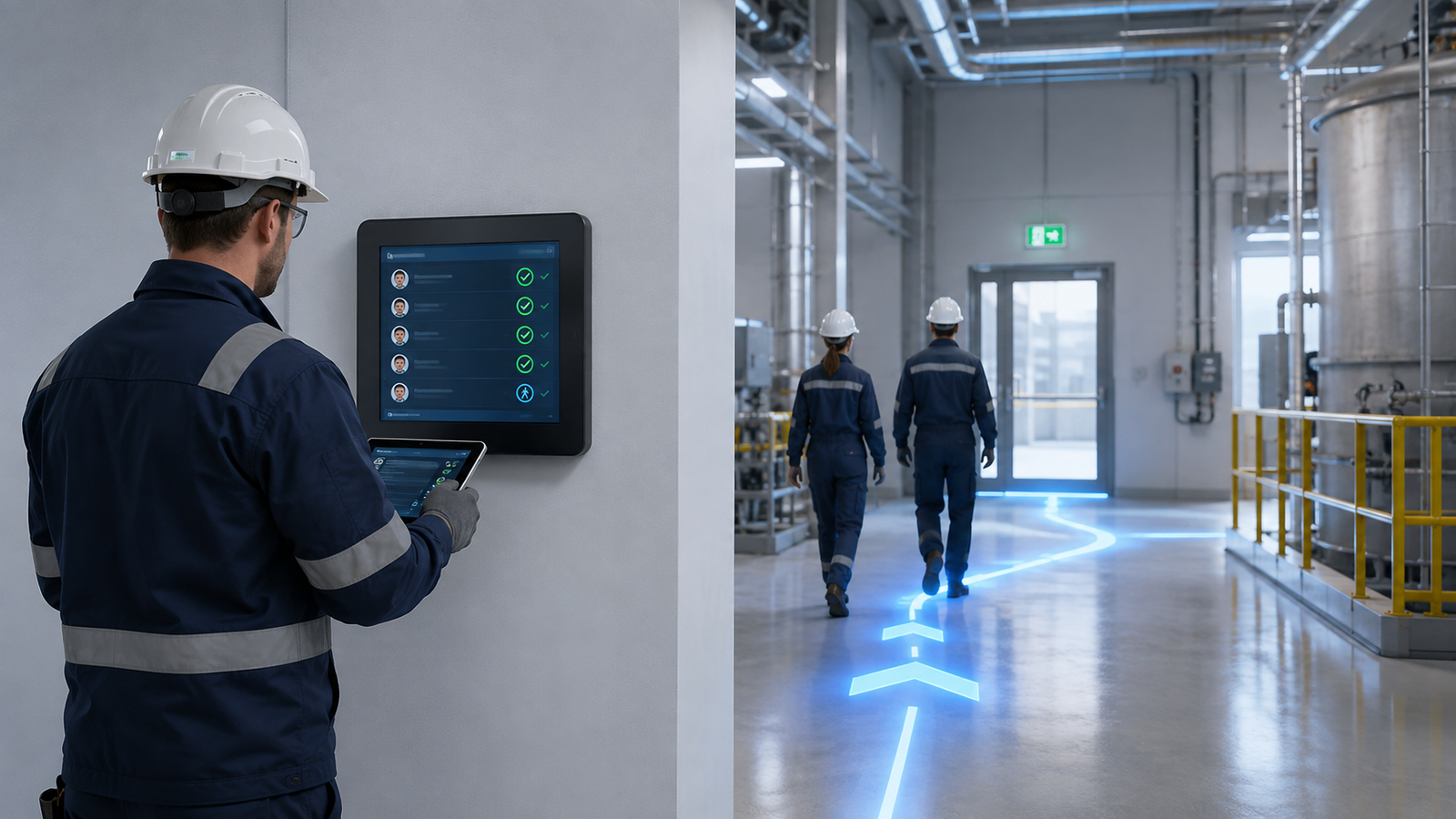
If there's an incident, the site has to know instantly who is still inside and get them out by the safe route, no headcount by phone.
The Vista Network approach
Configure the Whole Site as Access Zones, on One Platform.
Security administrators map the entire facility into physical and logical access zones, then apply a policy to each, with real-time visibility of people and assets moving between them.
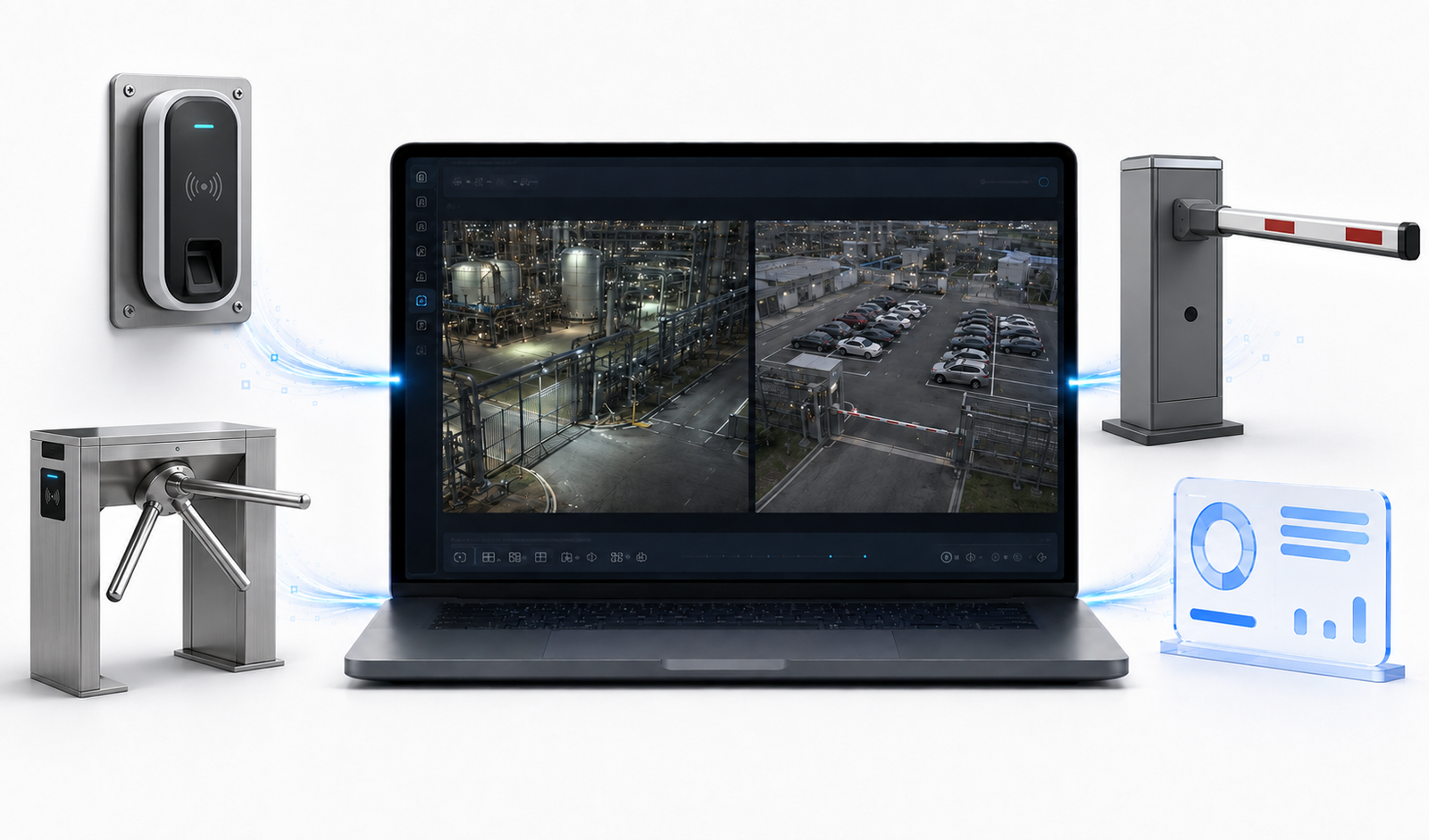
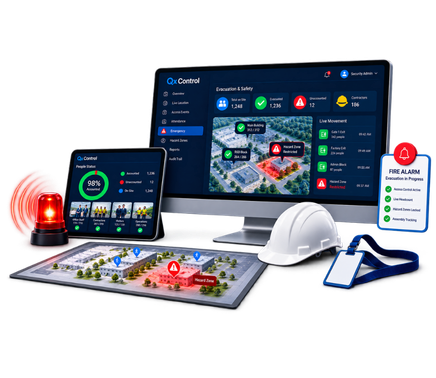
Perimeter, zone access, contractor management, and reverse evacuation run on the same backend, so a fire trigger becomes an evacuation response automatically, not a phone tree.
Solutions for this sector
The Vista Network Solutions Built for This Industry.
Perimeter & Entry Management
Multi-layer perimeter, hazardous-zone segregation, and hostile-vehicle mitigation at critical points.
→
Enterprise Security Operations
One command layer with reverse evacuation, fire integration, and live who's-on-site visibility.
→
Unified Visitor Management
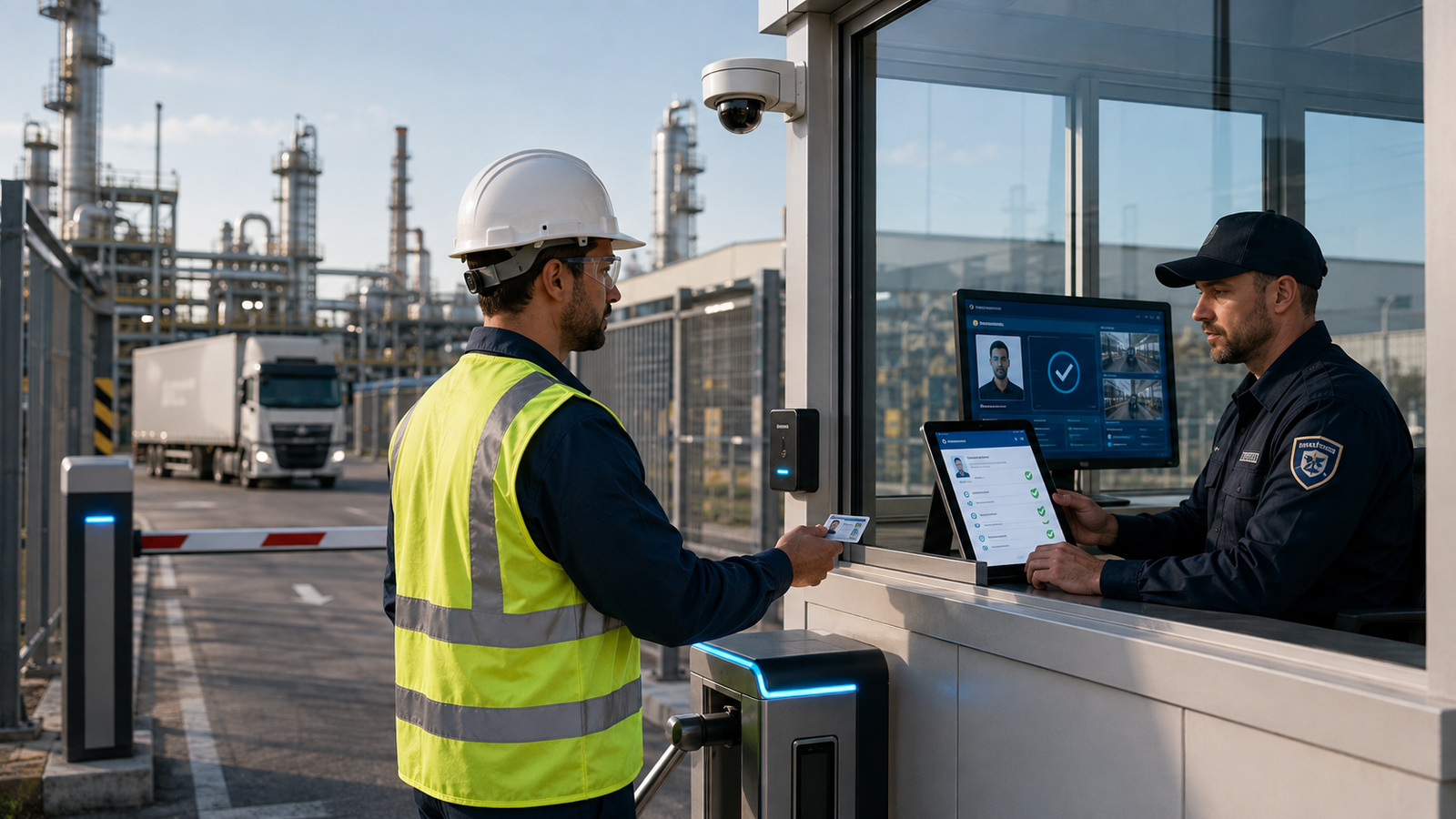
Contractor induction, safety sign-off, and watchlist screening at the gate.
→
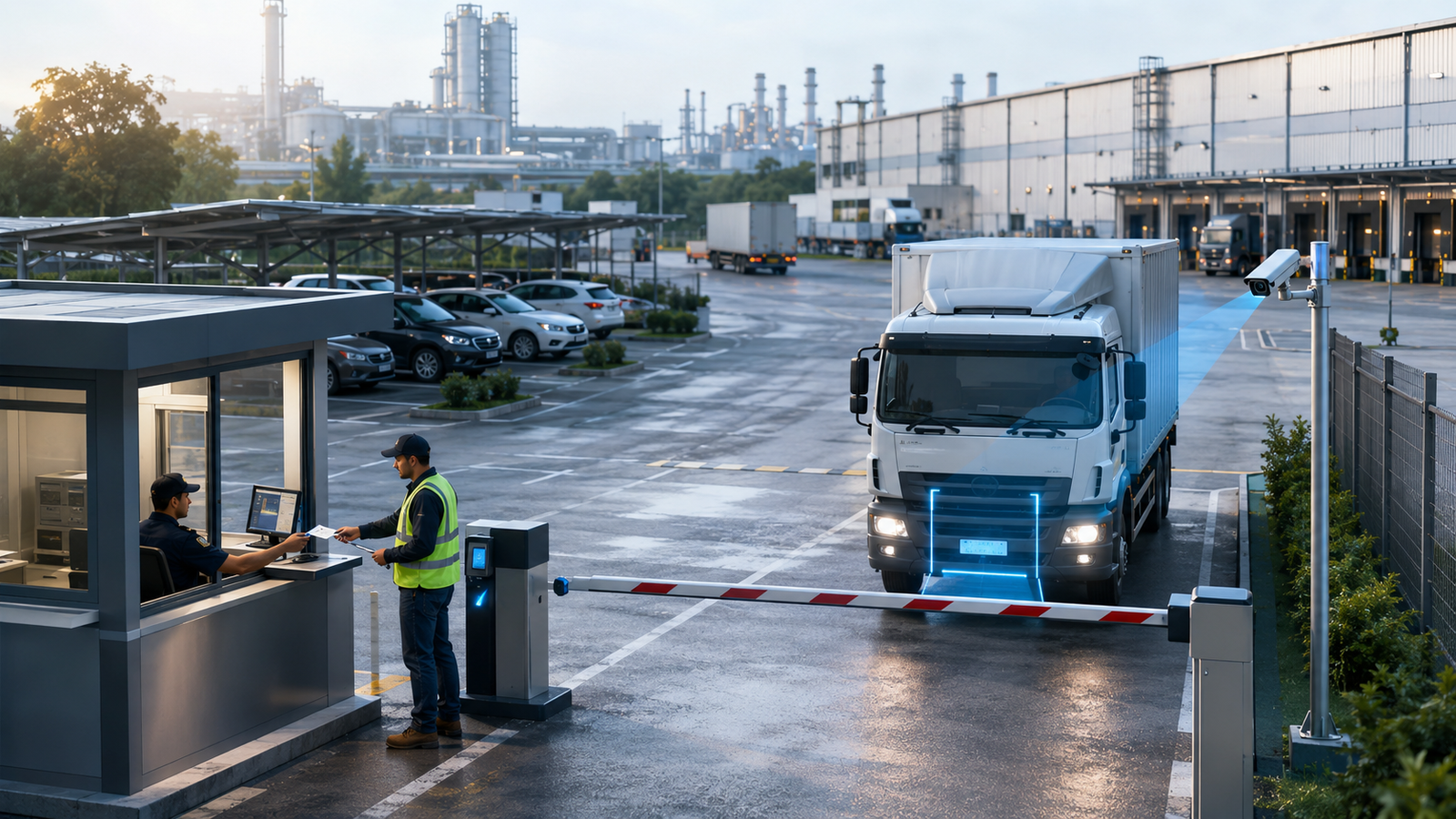
Car Parking & Management
Vehicle and driver registration for inbound logistics and restricted-zone traffic.
→

Intelligent Elevator & Vertical Mobility →
Destination Control clears peak-hour lobbies and keeps each tenant to their own floors.

Unified Visitor Management →
Pre-registered guests, contractor access, and per-tenant visitor routing on one platform.

Perimeter & Entry Management →
Gates, barriers, and turnstiles across a multi-gate campus under one rulebook.
Related products
The Products Behind an Industrial Site Build.

Fingerprint Authentication Terminal

Networked Controller

Data Acquisition Reader

Location Tag

Electromagnetic Lock

In practice
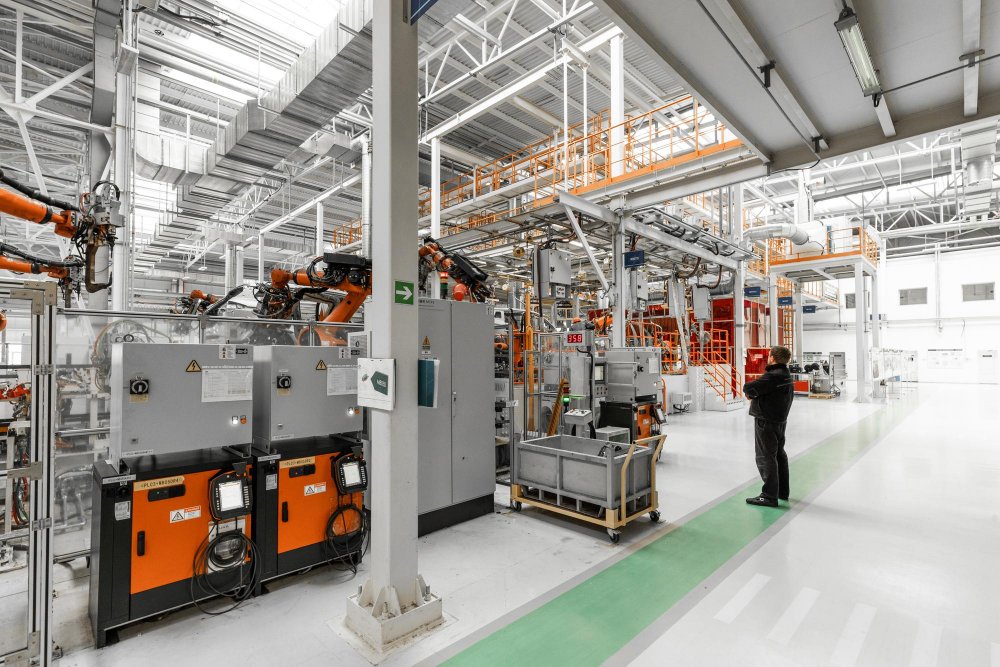
What It Looks Like on a Live Site.
Fire Trigger → Reverse Evacuation
On an alarm, doors in the affected zone release, evacuation routes open, and the control room gets an instant list of who is still inside.
Contractor Induction at the Gate
A third-party crew is inducted, screened, and issued time-boxed, zone-scoped access.

Hazardous-Zone Control
High-risk units admit only trained, authorised personnel, with every entry and denial recorded for the compliance file.
In practice
What It Looks Like on a Live Site.
Fire Trigger → Reverse Evacuation
On an alarm, doors in the affected zone release, evacuation routes open, and the control room gets an instant list of who is still inside.
Contractor Induction at the Gate
A third-party crew is inducted, screened, and issued time-boxed, zone-scoped access.
Hazardous-Zone Control
High-risk units admit only trained, authorised personnel, with every entry and denial recorded for the compliance file.
Compliance & standards
Built for the Compliance-First Buyer.
Fire & Life Safety
Reverse evacuation and fire-to-access integration aligned to NBC 2016 Part 4 (India's National Building Code, fire and life-safety section).
Full Audit Trail
Every zone entry, denial, and evacuation event recorded and exportable for the Fire NOC and safety audits.

What you gain
What the Site Gets on One Platform.

Know Who's Inside, Always
A live, always-current list of everyone on site.

Zones That Enforce Themselves
Only trained, authorised people reach high-risk areas.

Contractors Under Control
Induction, screening, and scoped access for every third-party crew.

Evacuation That Works
Fire triggers the right doors and routes automatically, with a record for the Fire NOC.
Supplied to Leading Enterprises Across India.





Frequently Asked Questions
Reverse evacuation is the safety behaviour where, on a fire or emergency trigger, the access control system automatically releases doors in the affected zone and opens the correct evacuation routes, instead of keeping them locked. Vista Network ties this into the fire panel so it happens without manual intervention, aligned to NBC 2016 Part 4 (India's National Building Code, fire and life-safety section). The control room simultaneously receives a live list of who is still inside.
Yes. Security administrators map the whole facility into physical and logical access zones, process units, storage, warehouses, control rooms, and apply a distinct access policy to each. High-risk zones admit only trained, authorised personnel, and the platform shows people and assets moving between zones in real time, all managed from one screen.
Every contractor is inducted, given a safety sign-off, and screened against a watchlist before a time-boxed, zone-scoped credential is issued. Access is limited to the areas the job requires and expires automatically, and every entry and denial is recorded, so there is always a defensible record of who was on site and where.
Yes. Every zone entry, denial, and evacuation event is logged with user, timestamp, and location, and is exportable for safety audits and Fire NOC documentation. This audit trail is a core requirement for industrial access control in regulated oil, gas, and process environments.
Yes. Regular and temporary staff can be assigned to the shift patterns configured on the platform, so access automatically follows who is rostered on. Access for temporary crews expires at the end of their shift or contract without a manual clean-up step.