
Car Parking & Management
Parking Management Systems
That Read the Vehicle on Approach.
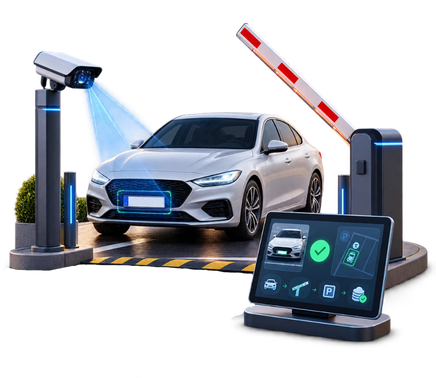
Registered vehicles identified on approach and logged from entry to exit, with no manual checks at the gate.
How it works
One Platform, from the Gate to the Bay.
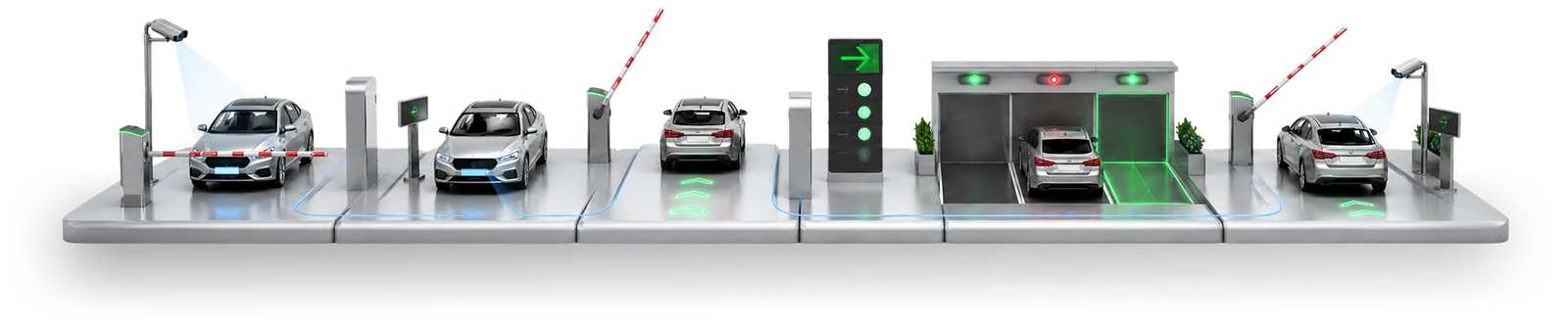
A vehicle moves through six moments. Vista Network handles each one on the same platform that runs your perimeter and access control.

Approach
The LPR camera (automatic number-plate recognition) reads the plate at the gate. No ticket, no token.

Recognition
The plate is matched against the registered-vehicle list. Unregistered vehicles route to a visitor flow.

Entry
On a match, the barrier lifts automatically and the entry is logged.

Bay Allocation
The platform guides the vehicle to an available bay by zone, role, or reservation.

Occupancy
Live occupancy updates as vehicles come and go, across every zone.

Exit
The exit LPR reads the plate, the barrier lifts, and the session is stored as one record.
Why it's different
Automated Vehicle Access
How Vista Network builds parking: the plate is a credential on the same platform that runs your doors, governed by the same roles, rules, and revocation.

Flagged Plates Raise an Alert
Denied-entry or vehicle-of-interest plates trigger a watchlist alert instead of opening the gate, so a flagged vehicle is escalated rather than simply refused.
Visitor Parking, Tied to the Visit
A pre-registered guest's vehicle is tied to their visit record, so parking access issues and revokes with the visit. No separate pass to manage.

Drives Your Existing Barriers
Boom barriers, bollards, and sliding gates run directly off the recognition result: hardware and software as one authenticated flow.

Two Credentials at One Gate
The vehicle and the driver can both be authenticated at the same entry, so a registered plate on its own isn't enough to get in.

The Vehicle on Record, Not Just the Plate
Make, model, colour, and driver photo held against the vehicle record, so a gate check is a match against more than seven characters.
Every Tenant, Their Own Rules
Each tenant or business unit runs its own parking configuration (permitted vehicles, permitted areas, entry limits) on one shared platform.

Gates That Open When the Alarm Does
On a fire event, barriers open automatically so vehicles and people clear the site instead of queueing at a closed gate.
Who it's for
Configured for Every Environment
Vista Network's parking fits any site with a gate. Four environments where the requirements differ most.

Corporate Offices & Tech Parks
- Staff plate-based entry with reserved executive bays
- Visitor parking tied to pre-registered visits
- Multi-tenant allocation and occupancy by zone
Corporate Offices & Tech Parks

Residential & Gated Communities
- Resident vehicle recognition with automatic barrier
- Guest and delivery vehicle registration
- Visitor parking with time-limited access
Residential & Gated Communities

Retail & Malls
- High-volume entry and exit with LPR
- Occupancy guidance to reduce congestion
- Paid-parking and duration tracking
Retail & Malls

Industrial & Logistics
- Inbound truck and driver registration at the gate
- Restricted-zone vehicle access by policy
- Dwell-time and turnaround tracking for logistics
Industrial & Logistics
Outcomes
What You Gain.
Beyond the features, here is what LPR-based parking changes for your gates, your security posture, and the drivers who use the site.
Gates That Clear Themselves
Registered vehicles enter without stopping: no tokens, no guard at every barrier, and no queue building at the gate during peak arrival.

Every Vehicle on Record
Full plate-and-time records on every entry and exit. No blind spots in a security or incident review.
Space Used, Not Wasted
Live occupancy and bay allocation cut circling time and surface capacity you already have.
One Platform for Every Entry
Vehicles and people governed through the same access platform, not two disconnected systems at the same gate.
Related products
The Hardware and Software Under One Contract.
Every parking build is assembled from a defined product set: readers, credentials, recognition, and the management platform that ties them together. These are the components a Vista Network parking build is specified around.
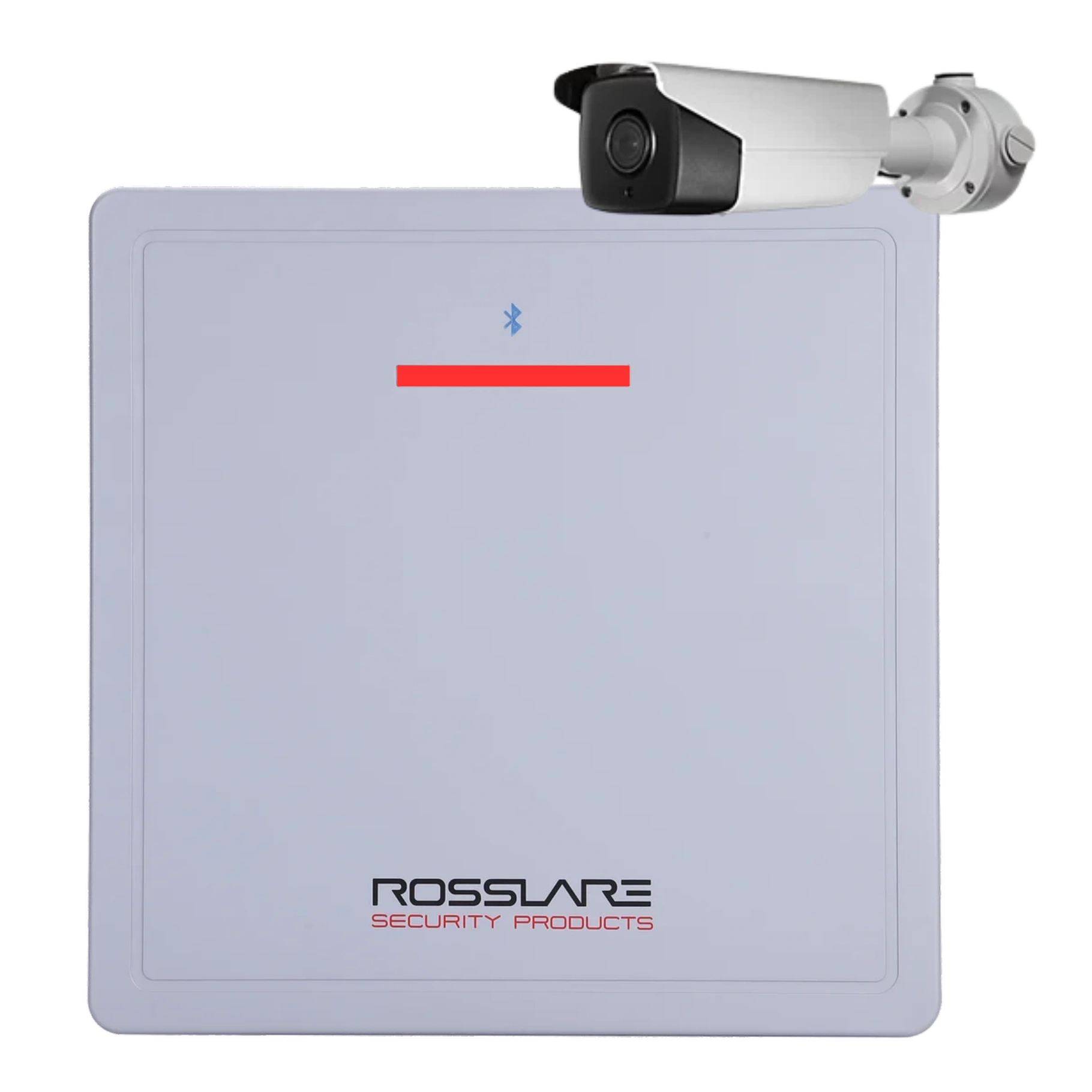
AY-U920BT
Extended long-range UHF + Bluetooth reader that reads a vehicle tag or phone hands-free at the boom, up to around 12 m, so approved vehicles never stop.
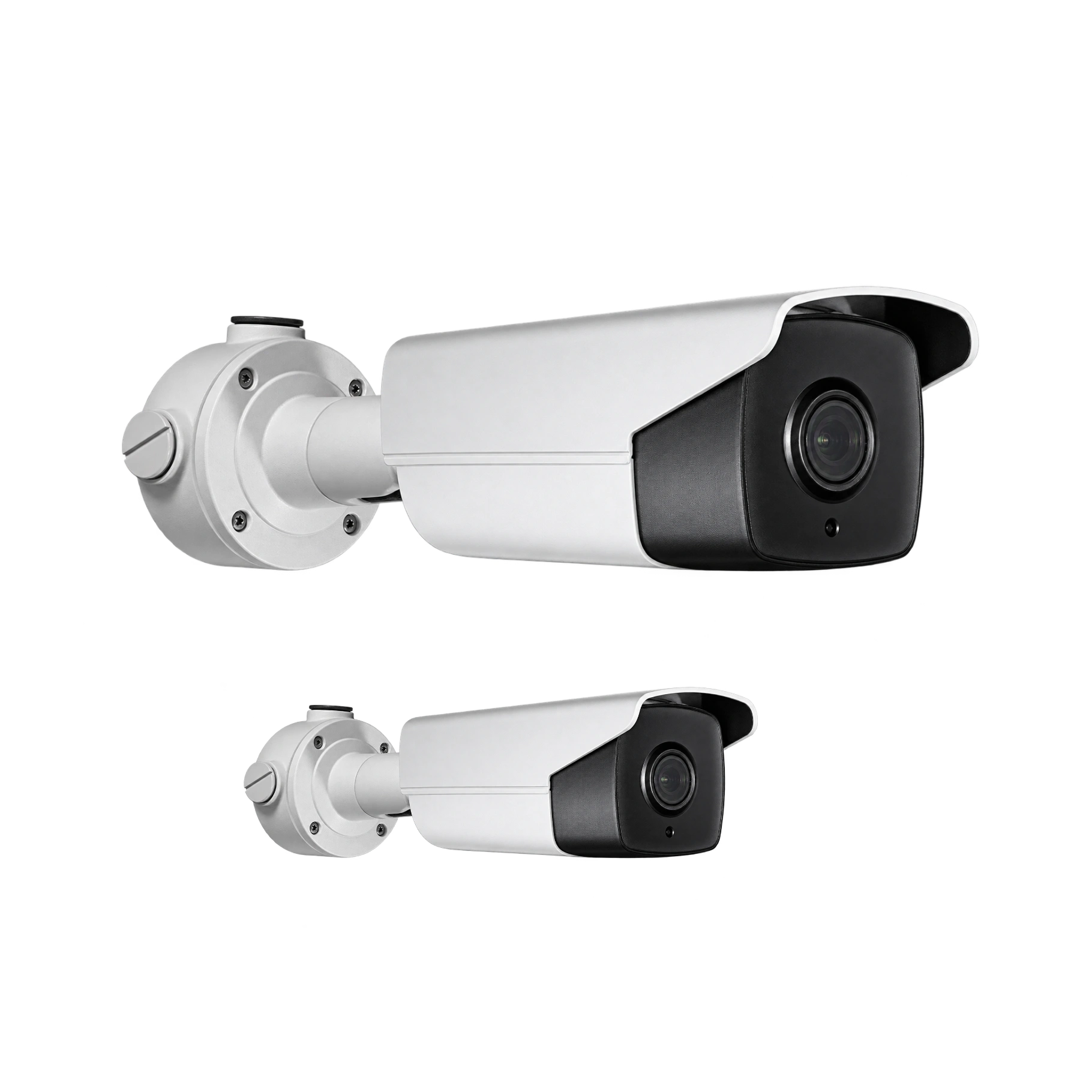
LPR Camera
Dedicated licence-plate camera that captures the plate at the lane and passes it on for identification, no credential needed for guest or occasional cars.
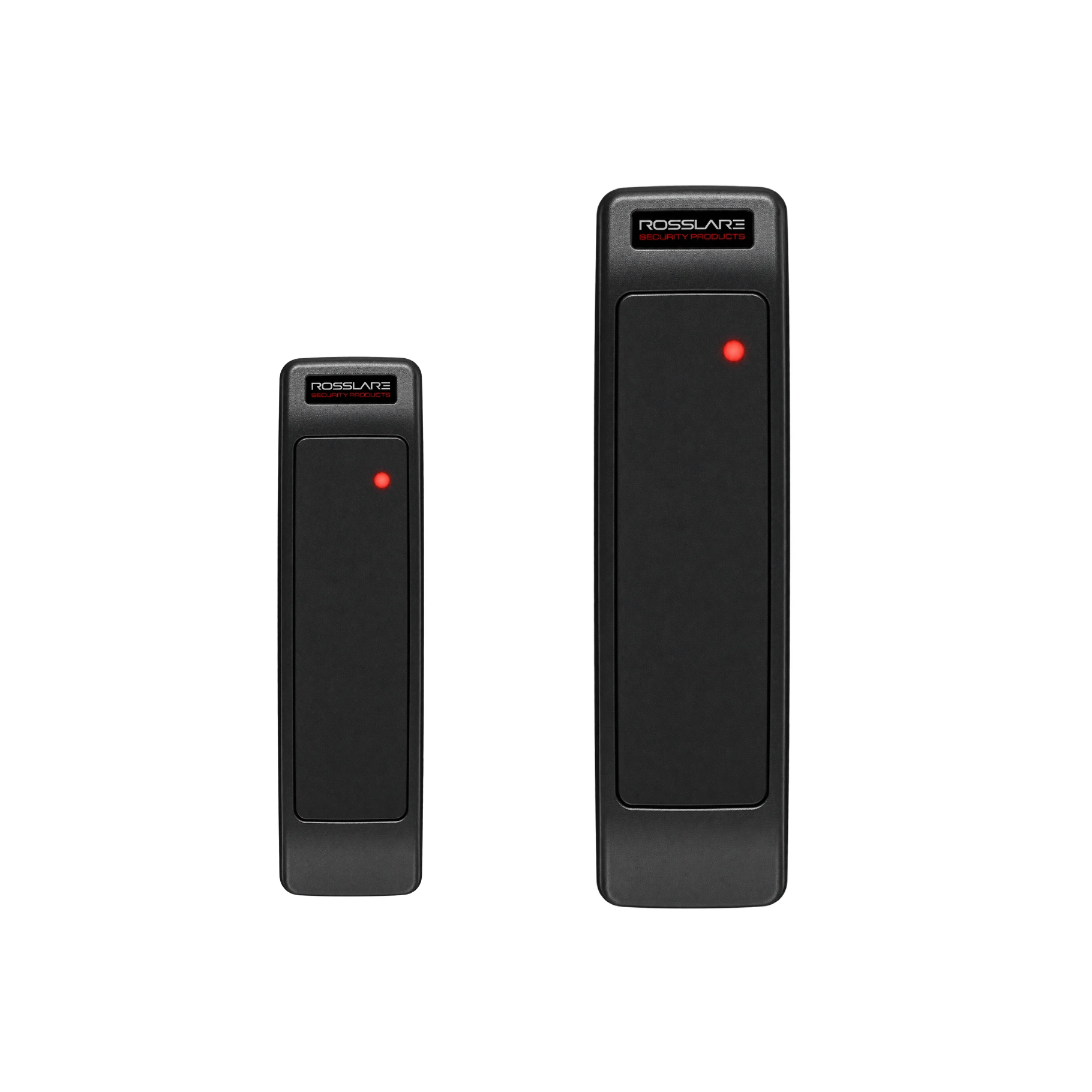
AY-L23
Outdoor long-range RF receiver for Rosslare SA-23 remote transmitters, with a range of up to 70 m, so a driver can open the barrier from a distance.
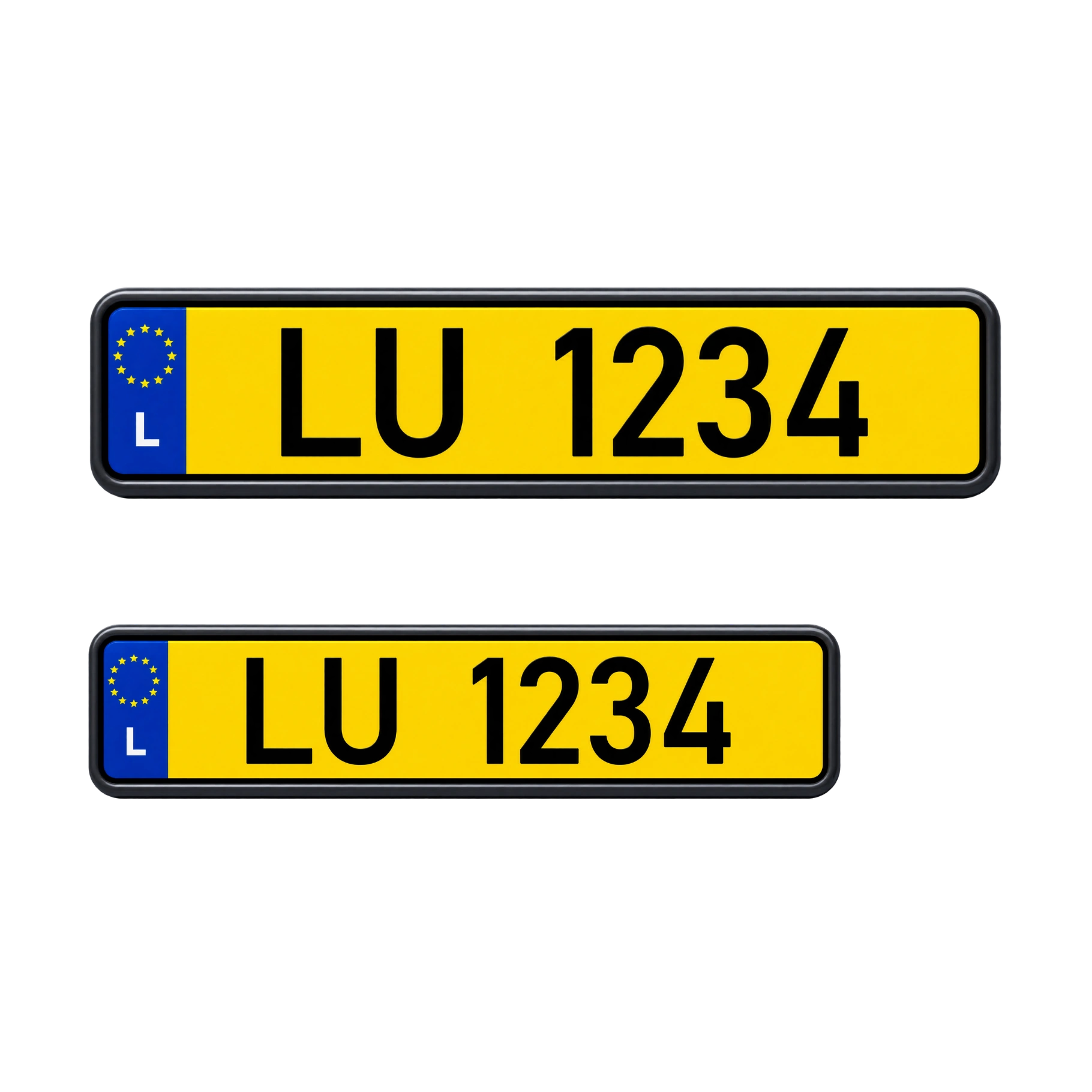
LPR Recognition
Licence-plate recognition handled as a credential inside AxTraxPro, permitting vehicles by number plate under the same access rules and logs as cards, PINs and tags.
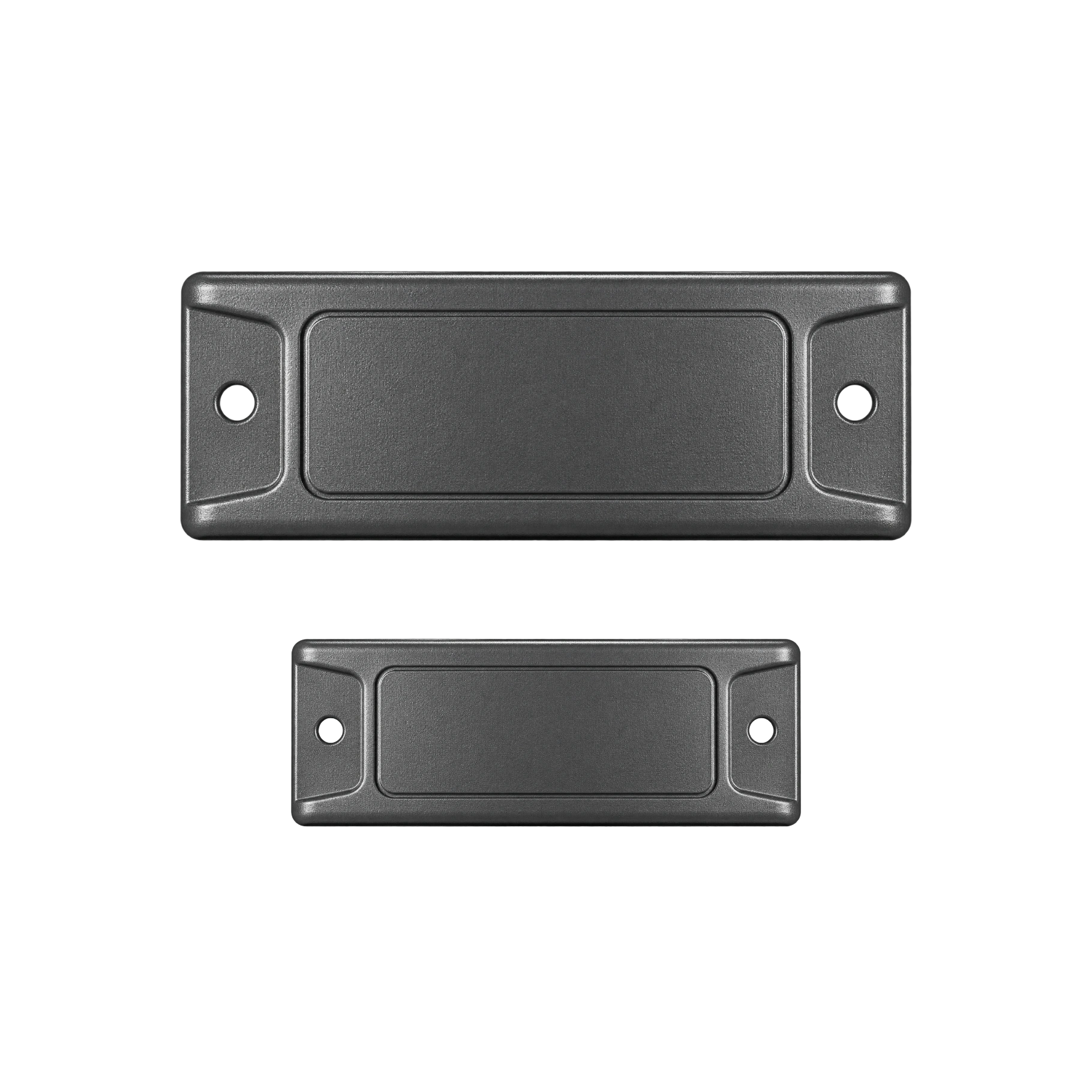
UHF Hard Tag
Rugged, weatherproof UHF hard tag with two mounting holes for fixing to metal surfaces, read hands-free at distance for fleet and resident vehicles.
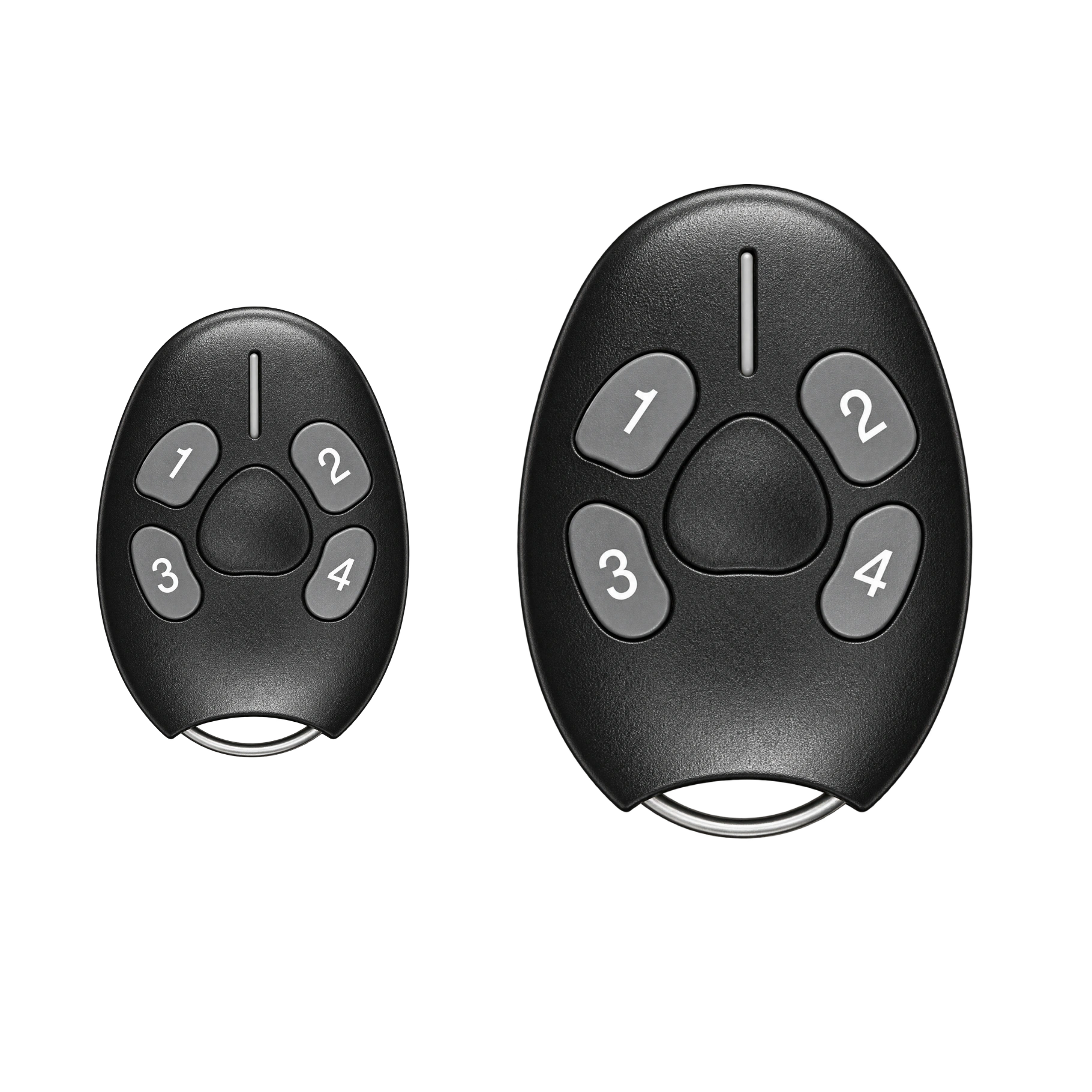
SA-23
Long-range RF remote transmitter paired with the AY-L23 reader, so a driver can trigger the barrier from distance without lowering a window.
Supplied to Leading Enterprises Across India.




Frequently Asked Questions
An LPR camera reads the number plate at the gate. If the plate is registered, the barrier lifts automatically. No token, no card, no stopping.
They route to a visitor flow: pre-registered visitors get plate or QR entry tied to their visit; walk-ins are handled at the gate by policy.
Yes. Bays can be assigned by zone, role, or reservation, with driver guidance to available space.
Yes. Live capacity across every zone updates as vehicles enter and leave, on a single dashboard and an LED signboard at the gate.
Every entry and exit is logged with plate, timestamp, gate, and session duration, exportable for security and billing.
Boom barriers, bollards, and sliding gates, driven directly by the recognition result.
Vista Network supplies the complete system as one specified package rather than a mix of parts from different sources. Access control, fire detection, video, and building systems are specified and supplied together. Because every subsystem comes from the same package, the integration between them is native, so a fire event releases doors and recalls lifts without a third-party interface to negotiate, and every subsystem writes to the same audit trail.